About us
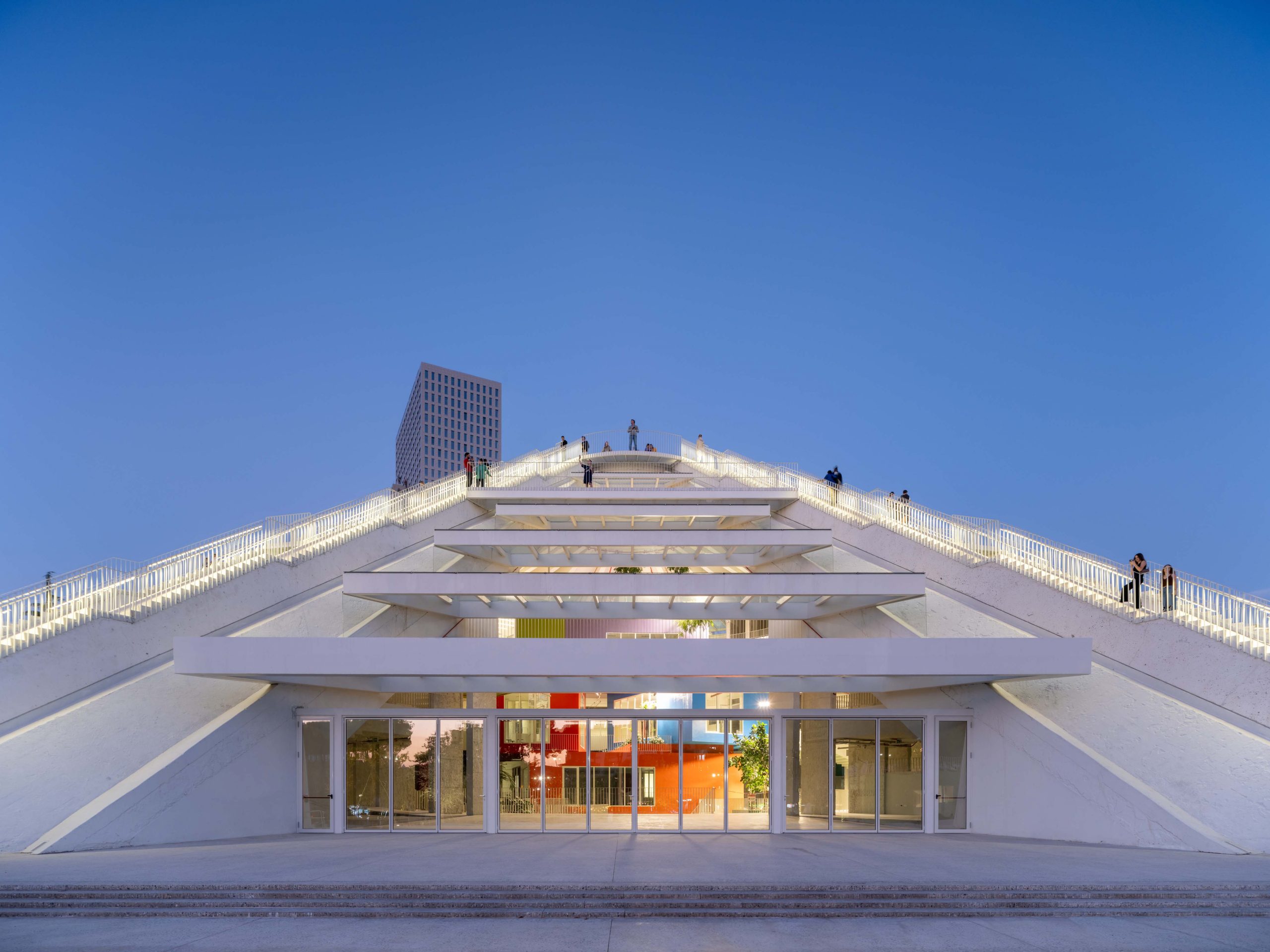
Once a symbol of a different era, the Pyramid of Tirana has been transformed into a vibrant hub for culture, technology and community.
Today it stands as a symbol of transformation, creativity and openness focused on:
- Empowering youth and innovation by providing accessible spaces for technology, education, and creative learning.
- Preserving and reinterpreting the cultural significance of Piramida Tirana
- Fostering an inclusive environment open to all visitors and ideas
- Positioning Tirana as a regional innovation center by attracting talent, partners and events that place the city on the map for technology and creativity.

Constructed in 1988 as a museum dedicated to Albania’s former communist leader, the Pyramid of Tirana was once one of the most distinctive symbols of the country’s political past by reflecting the monumental style and ideology of its time. Following the fall of communism in the early 1990s, the Pyramid’s role shifted repeatedly, serving at various times as a conference center, cultural venue and even a broadcasting base. Over the years, it became a familiar yet controversial landmark, both loved and debated by the people of Tirana, while gradually falling into disrepair.
Now, it is reimagined as an open, accessible space for the public by standing renewed as a center for technology, education, and culture, symbolizing not only the city’s resilience but also its forward-looking spirit and commitment to empowering future generations.

1980s — A Symbol of Power
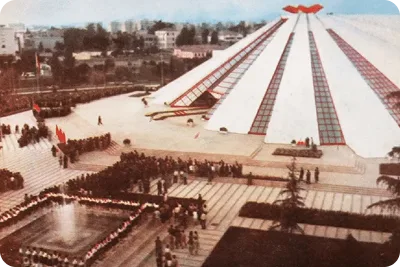
Piramida of Tirana was completed in 1988 as a museum honoring Enver Hoxha, serving as a powerful symbol of Albania’s communist regime. Its bold and unconventional design made it one of the most striking buildings in the city, reflecting both authority and ambition.
1990s — Transition and Transformation
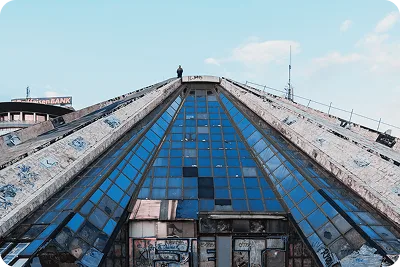
With the fall of communism in 1991, the Pyramid lost its original purpose and was repurposed as a venue for conferences, exhibitions, and cultural events. During the Kosovo War in 1999, it also served as a NATO base. Throughout the decade, however, its future remained heavily debated: some viewed it as a valuable landmark worth preserving, while others argued for demolition or complete redevelopment due to its controversial legacy.
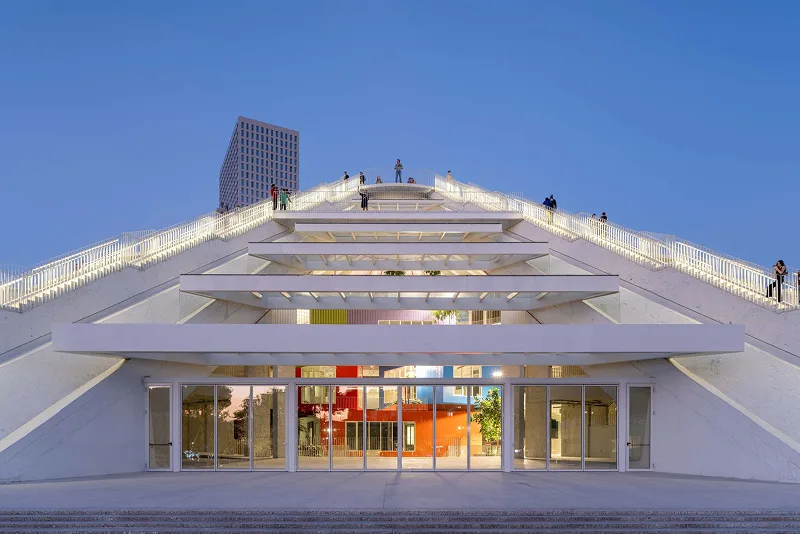
2000s–Present — Decline & Renewal
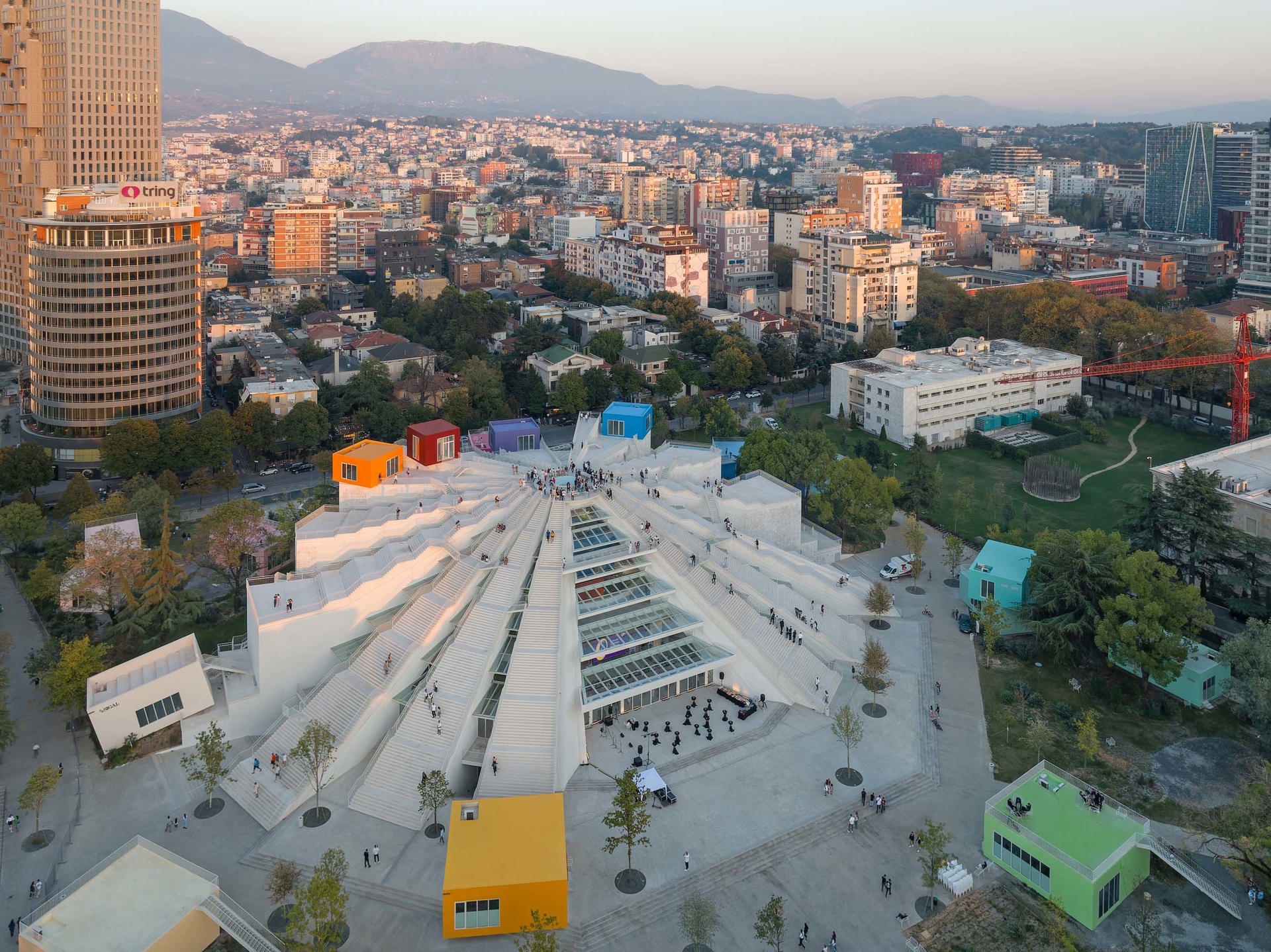
After its abandonment, the Pyramid of Tirana became a hub for youth culture, graffiti, skating, and activism, while long-standing debates continued over its future. Today, it functions as a cultural and creative center, hosting exhibitions, events, tech spaces, and community activities. The 2023 renovation preserved its iconic form while adapting it into a modern hub for innovation, education, and public life.